American Express
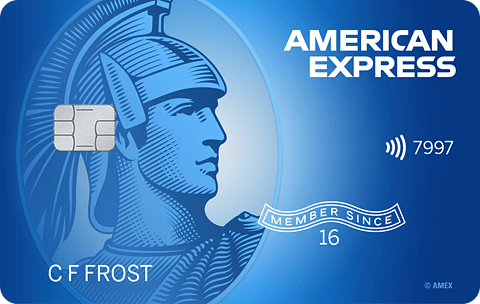
Blue Cash Everyday Card
Cash back rewards card with no annual fee. Earn 3% at supermarkets, gas, and online retail, 1% elsewhere. Includes 0% intro APR and up to $200 signup bonus.
Annual fee
None
Top rate
3x groceries
Welcome bonus
$200
Quick look
3% Cash Back on Everyday Purchases
No Annual Fee with up to 3% rewards
3.8
out of 5
Rewards
Fees
Welcome bonus
Perks
Value
Overall score is a weighted average: Rewards 20% · Fees 20% · Welcome bonus 20% · Perks 20% · Value 20%.
Ideal for
Moderate spenders who want no-nonsense cashback on everyday purchases without paying an annual fee. Best suited for people who spend roughly $6,000–$12,000 yearly combined across groceries, gas, and online shopping.
The verdict
The Blue Cash Everyday Card is a straightforward choice for people who want cashback rewards without paying an annual fee. It delivers solid 3% rewards on groceries, gas, and online shopping—three spending categories most households rely on—plus a 0% intro APR for 15 months on purchases. That said, the $6,000-per-year spending cap in each bonus category is a meaningful constraint: once you hit it, rewards drop to 1%, which can happen around June for steady spenders. For moderate budgets under $12,000 yearly in these categories combined, it's hard to beat for free. If you spend more heavily or want higher rates in any single category, competitors like the Blue Cash Preferred (6% groceries, $95 annual fee) or Citi Custom Cash (5% gas, no fee) may pay for themselves.
The card's other rewards sit in the middle of the no-fee pack—1% on everything else is standard, not leading. Perks are basic but useful: purchase protections and a modest streaming subscription credit ($7/month on eligible services) add some breathing room, but there's no travel insurance or concierge service here.
Pros
- Zero annual fee removes the barrier to entry for everyday cashback
- 3% rewards on three high-frequency spending categories (groceries, gas, online) covers most of a household's routine expenses
- 0% intro APR for 15 months on purchases provides a runway for balance management or large planned purchases
- No foreign transaction fee—you can use it internationally without surcharges
Cons
- $6,000 annual spending cap per bonus category; rewards drop to 1% after, which mid-year shoppers will hit
- Exclusions matter: Walmart, Target, Costco, and warehouse clubs don't count as supermarkets, limiting upside for these stores
- 1% on all other purchases trails behind cards offering 1.5% flat or rotating higher rates
- Regular APR (19.49%-28.49%) is on the high end, typical for Amex but something to avoid carrying a balance on
Reward rates
| Category | Rate | Details |
|---|---|---|
| Groceries | 3x | 3% cash back at U.S. supermarkets on up to $6,000 per year (then 1%) |
| Online shopping | 3x | 3% cash back on U.S. online retail purchases on up to $6,000 per year (then 1%) |
| Gas & EV charging | 3x | 3% cash back at U.S. gas stations on up to $6,000 per year (then 1%) |
| Everything else | 1x | 1% cash back on all other eligible purchases |
The 3% rates on groceries, gas, and online shopping are competitive within the no-fee category, landing you 11th nationally for groceries and 8th for gas. However, the $6,000 annual cap per category is the real constraint. Once you cross it, rewards fall to 1% for the rest of the year. This structure works best for steady but not heavy spenders; if you're maxing out multiple categories, cards like the Blue Cash Preferred (6% groceries at $95/year) or Citi Custom Cash (5% on a rotating monthly category) may deliver better value despite higher fees. Note: Walmart and Target don't qualify as supermarkets despite selling groceries—only traditional supermarkets count.
Fees and APR
Does it pay for itself?
At $0, there's no fee hurdle to clear, which makes this card low-risk to open and use. The downside: you don't get premium perks that typically justify higher fees. Your cardmember protections are solid but standard for the tier—purchase protection, extended warranty, and return coverage up to $300. The regular APR (19.49%-28.49%, variable) is steep compared to some competitors, so avoid carrying a balance.
Welcome bonus
Is it worth chasing?
The $200 bonus requires $2,000 in purchases over 6 months, a spend level of about $333/month—achievable for most people but not generous. That works out to 10% return on the minimum spend, which is decent but trails some cards offering $300 or more in intro bonuses. Timing matters: the 6-month window is reasonable, and if you're already spending this amount, it's essentially free money.
Similar cards
Higher gas rewards (5% vs 3%), no annual fee, but limited to one bonus category per statement period
Simpler 1.5% flat-rate rewards everywhere with no spending caps, though no bonus on groceries or gas
Frequently asked questions
What happens after I spend $6,000 in a category—does it really drop to 1%?
Yes. In each bonus category (supermarkets, gas, online retail), you earn 3% cash back on the first $6,000 per year, then 1% on anything above that. For someone who spends $500/month on groceries, you'd max out in December and earn only 1% for the remaining months. It's worth tracking during peak spending seasons.
Does Walmart or Target count as supermarkets for the 3% category?
No. Amex restricts the supermarket category to traditional grocery stores. Warehouse clubs like Costco and big-box retailers like Walmart and Target, even when buying groceries, earn only 1%. This is a common source of surprise for cardholders and worth planning around if those are your main shopping spots.
Can I use this card internationally without worrying about fees?
Yes, there's no foreign transaction fee, which is unusual for a no-fee card. You can use it abroad without the typical 2-3% surcharge, making it useful for travel as long as you don't need travel insurance or concierge services that premium cards provide.
Is the 0% intro APR worth the card, or should I look elsewhere?
The 15-month 0% intro APR is helpful if you're planning to make a large purchase or transfer a balance, but it's not the card's main selling point. The real value is in the no-fee structure and cashback on everyday spending. If APR is your main concern, focus on avoiding a balance altogether rather than counting on the intro rate.
How does this compare to the Blue Cash Preferred?
The Blue Cash Preferred offers 6% on groceries (vs 3% here) but costs $95/year. It's worth switching only if you spend more than $3,167 annually on groceries—roughly the breakeven point where the extra 3% earnings cover the fee. If grocery spending is lower, this no-fee card wins. For gas and online, both cards stay at 3%, so the Preferred doesn't add value there.
Reviewed by YoungerFinance Editorial · Last updated August 11, 2026